
High Roller Casinos: How VIP Programs, Limits, and Perks Work for Big Spenders
High roller casinos are the VIP playgrounds of the gambling world, where the stakes—and the rewards—are spectacularly amplified. You’ll get a dedicated host who arranges everything from private jets to penthouse suites, while your bets unlock **exclusive comps, cashback, and personalized gifts** that casual players never see. To use one, simply request a private gaming room or contact their VIP desk to set your betting limits, then enjoy faster payouts and higher table maximums as your play climbs. It’s all about turning serious wagers into an unforgettable, red-carpet experience tailored entirely to you.
What Defines a True High Roller Experience in Modern Casinos
A true high roller experience in modern casinos hinges on absolute, personalized privilege—not just higher table limits. It begins with a dedicated pit boss and host who know your name, your game preferences, and your bankroll rhythm without asking. The defining factor is instant, uncompromised access: exclusive salons with private dealers, bespoke betting limits, and zero waiting for chips or service. Beyond the game, the experience is curated around your lifestyle—from penthouse suites and private jets to restaurant reservations booked at a moment’s notice. Crucially, comps are proactive, not reactive; a genuine high roller casino anticipates losses and wins alike, offering risk-free play periods or luxury rewards before you request them. Ultimately, the true marker is seamless fluidity—where every operational detail fades, leaving only the pure adrenaline of high-stakes play and undivided attention.
Beyond the Minimum Bet: Qualifying for VIP Status
Qualifying for VIP status goes far beyond simply hitting the table minimum, so don’t expect a comped suite just for showing up. Casinos track your average bet, playtime, and game speed to assign a “theoretical loss,” which is the real metric for your value. To trigger a host’s attention, you typically need to wager significantly above the minimum bet—often 10 to 20 times higher—and sustain that pace for several hours per session. The sequence usually works like this:
- Start with a bankroll that supports 50–100 hands or spins at your target level.
- Request a casino host on your first visit and mention your preferred stakes.
- Play consistently at that elevated level across two or three sessions to get flagged.
Your rating only updates when you actually sit down and prove it with real money action. Once your average bet climbs past the floor’s threshold, the pit boss will adjust your rating, and the invitations—private rooms, faster withdrawals, and personal hosts—start flowing automatically.
The Hidden Perks of Playing at the Highest Stakes Tables
Beyond the obvious comps, the real magic at the highest stakes tables is the unwritten VIP access you unlock. Suddenly, the casino’s private chef is asking about your dietary preferences, and a limo appears for a spontaneous trip to a vineyard. You skip lines for sold-out shows because your host simply makes a call. The dealer might even pause to chat about your favorite whisky while shuffling. Here’s the kicker: the pit boss will quietly adjust table limits mid-session just to keep you playing comfortably, and your hotel suite gets a daily refresh with snacks you actually mentioned liking once. Perks appear before you even ask.

- Priority reservations at exclusive venues without deposits
- Personalized gifts (electronics, art) tailored to your hobbies
- Instant credit line extensions with zero paperwork
How to Secure the Best Comp Package Before You Even Deposit
To secure the best high roller comp package before depositing, you must negotiate from a position of leverage. Never accept a generic welcome bonus; instead, contact the casino’s VIP host directly and state your intended deposit range, asking for a **customized comp package** that matches that figure. Mention competitor offers to force a better deal, including cashback on losses, increased table limits, and faster withdrawal terms. Your pre-deposit conversation should also lock in a dedicated account manager and a suite upgrade if travel is involved. Crucially, get every promise—from rebate percentages to event invitations—in writing via email. The moment you deposit without a signed agreement, you lose your bargaining power, so **negotiate your comps first** to guarantee your high-stakes play is rewarded from the very first bet.
Negotiating Your Initial Offer: What to Ask For
Before you deposit a cent, your initial offer sets the ceiling for every future perk, so treat it like a poker hand you play before the flop. Ask for a dedicated host who can authorize mid-session credit, not just a generic bonus code. Then, negotiate the loss rebate percentage upfront—typically 5–10% on net losses—since this is rarely offered voluntarily. Also request flexible withdrawal limits and a faster cash-out schedule, as slow payouts kill momentum. Don’t accept the first comp package; counter with a specific number, like “10% rebate and 48-hour payout,” and watch how quickly they bend.

- List your top three non-negotiable perks (rebate, host, payout speed).
- Ask for a trial period of 30 days to test the terms before locking in.
- Mention a competing casino’s offer casually to trigger a match.
Leveraging Your Play History for Upgraded VIP Treatment
Your past wagering volume is the strongest negotiating chip when requesting pre-deposit VIP perks. Before contacting a host, compile a detailed history from rival high roller casinos, including monthly turnover, average bet size, and preferred game types. Present this data as proof of your value, not a threat—it signals you understand the ecosystem. Casinos often match or exceed your documented play to win your action. For example, if you show consistent €50,000 monthly slots play elsewhere, request a matching loss-rebate percentage or higher table limits upfront. Be specific: cite dates, casinos, and exact amounts. Vague claims fail; verifiable records trigger immediate upgrades. Also, highlight any dormant VIP statuses—re-activation offers often include extra tier upgrades. Always ask for the comp package *before* depositing, using your history as the foundation for a counter-offer or tier match.
Choosing the Right VIP Program for Your Playing Style and Budget
When you walk into a high roller casino’s VIP world, the first mistake is chasing the biggest bonus instead of the best fit. A true high roller knows that VIP program tiers aren’t one-size-fits-all—some reward aggressive slot play with cashback, while others pivot to table-game comps for baccarat or blackjack. Ask yourself where your bets actually flow daily. If you prefer short, intense sessions with high variance, seek programs that prioritize loss rebates over free spins. But if you grind steady volume, look for lower wagering requirements on bonuses and faster point accumulation. Your bankroll size dictates the leverage you hold—never accept a personal manager’s offer without comparing their net-value against your monthly average bet. A tailored program should stretch your budget, not push you to overspend for status you won’t use.
Comparing Cashback, Rebate Rates, and Points Multipliers
When selecting a high roller program, comparing cashback, rebate rates, and points multipliers determines your true long-term value. Cashback returns a fixed percentage of net losses, often weekly, while rebates apply to every wager’s turnover, rewarding volume regardless of outcomes. Points multipliers, meanwhile, accelerate comp earnings, converting play into free bets or perks. Prioritize rebates if you churn large sums; favor cashback if you play volatile games; leverage multipliers only when you can sustain high session frequency. A practical sequence: calculate your average monthly wager, multiply it by each program’s rebate percentage, then compare that figure against potential cashback on expected losses—finally, check if multiplier caps dilute your earn rate.
Dedicated Hosts vs. Automated Systems: Which Works Better
For high rollers, the choice between a dedicated host and automated systems hinges on your betting habits and need for flexibility. A dedicated host offers personalized negotiation on limits, faster manual payouts, and tailored comps based on your actual play history—ideal if you prefer high-touch interaction and irregular, large wagers. Automated systems, however, provide instant self-service bonuses, real-time cashback calculations, and zero waiting time for standard requests, suiting those who value speed over conversation. Your optimal solution often lies in a hybrid approach, using automation for routine transactions while reserving your host for complex issues. This pairing maximizes efficiency without losing human leverage. Ultimately, choosing between VIP host attention and algorithmic efficiency depends on whether you prioritize relationship perks or transactional immediacy.
Practical Tips for Managing Your Bankroll at High-Stakes Tables

At high roller tables, treat your bankroll as a battlefield reserve, not a spending account. Split your total funds into ten or more buy-ins, and never risk more than 5% of your bobcasey.com session stack on a single hand or spin. Set a hard loss limit before you sit down—once it’s gone, walk away without negotiation, because the house thrives on chasing mentality. Use the casino’s VIP perks strategically: negotiate comps, rebates on losses, or reduced house edge on specific games before you play, not after. **The golden rule is to separate “play money” from “lifetime money” entirely—and never borrow from winnings to raise stakes mid-session.** For a quick check: *What is the fastest way to protect your bankroll when you’re on a losing streak at a high-stakes table?* Simply cut your bet size by half after two consecutive losses, forcing a tactical reset before emotions take over. Always cash out a fixed percentage of any big win immediately, locking in profit while leaving only a capped “fun stack” active.
Setting Loss Limits While Chasing Big Wins

When you’re hunting those massive payouts, it’s tempting to let the session run wild, but pre-set loss limits for high-stakes play are your only real safety net. Decide the exact number you can lose before you sit down—and treat it like a contract, not a suggestion. Once you hit that ceiling, walk away completely, even if the next spin feels “lucky.” To make it stick, follow a simple sequence: first, calculate your total bankroll and set the loss cap at 20–30%, then split that into smaller session chunks, and finally, set a hard alarm on your phone to check your balance every 15 minutes. If you dip to half your limit, take a five-minute break to reset your head. This way, you chase the thrill without letting a bad streak wipe out your entire bankroll.
Which Games Offer the Best House Edge for Serious Bettors
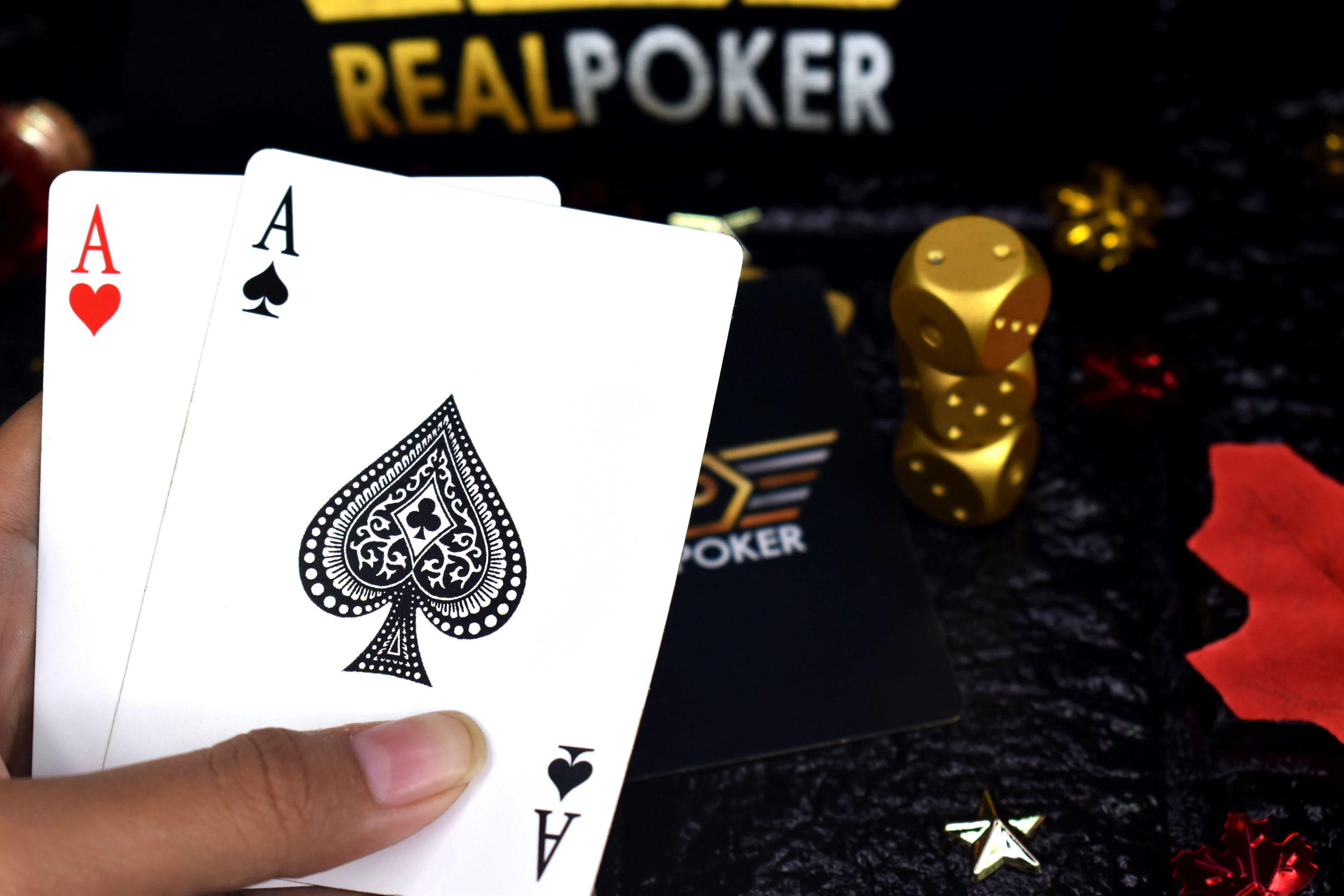
For serious bettors, the best house edge games at high roller casinos are those where skill and rules tilt the odds back in your favor. Baccarat’s banker bet, with a razor-thin 1.06% edge, remains the undisputed champion—especially at VIP limits where commissions sometimes drop. Blackjack shines too, provided you find single-deck or low-pen penetration tables with favorable surrender rules, cutting the edge below 0.5% with perfect basic strategy. Craps offers a solid 1.41% on pass/come bets, but avoid prop bets like the plague. Meanwhile, video poker (Jacks or Better, full-pay) can hit 0.46% if you play max coins and know the strategy chart. Skip roulette and slots entirely—their edges devastate bankrolls.
- Baccarat banker bet: 1.06% edge, often lower with negotiated commissions
- Blackjack with surrender: under 0.5% edge if you use basic strategy
- Craps pass line with odds: 0.37% edge when max odds are taken
- Full-pay video poker: 0.46% edge with perfect play at high denoms
Common Pitfalls and Misconceptions About Betting Big
When you step into a high roller casino, the biggest trap isn’t the house edge—it’s the myth that bigger bets mean better odds. Many assume a $10,000 wager on blackjack shifts probability in your favor, but the math stays identical; you’re just risking more for the same percentage. Another pitfall is chasing comps, thinking free suites and private jets justify reckless stakes—that’s the casino rewarding you for a loss you haven’t felt yet, not a savvy investment. Don’t fall for the “hot streak” illusion, either; past wins never dictate future spins. Most dangerously, players misinterpret the phrase “high limit” as “higher win rate,” when it actually just means faster swings. Bankroll management is the only real edge you have, and ignoring it turns a fun night into a financial hangover. Set a hard loss cap before you sit down—because the casino’s credit line isn’t a safety net, it’s a leash.
Do You Really Need a Net Worth Check to Play?
Many players assume a formal net worth check for high roller play is mandatory, but that’s rarely the case. Casinos verify funds through betting history, bank references, or a simple credit line instead of demanding tax returns. A net worth check usually surfaces only if you’re requesting a massive seven-figure marker or a private jet package. For most big bettors, showing consistent deposit patterns and a willingness to wire transfer is enough. So don’t freeze up—ask the VIP host directly what documentation they need. Q: Do you have to submit a net worth check before placing your first big bet? A: No, only if you’re seeking extraordinary credit or exclusive perks, and even then, alternative proof of liquidity often suffices.
When to Walk Away: Reading the Room and Your Own Psychology
Knowing when to walk away is the ultimate edge in a high roller room, and it demands reading both the table and your own escalating psychology. The room tells you when the momentum has shifted—dealers stiffen, your opponents stop respecting your raises, and the energy turns predatory. Psychologically, the moment you feel a compulsion to chase a specific loss, or your breathing quickens after a win, you’ve lost objectivity. Walking away on a psychological timer, set before you sit down, is non-negotiable. Trust that your gut’s unease is data, not fear. Staying to prove you’re unstoppable is the misconception that bleeds fortunes. Master the exit, and you master the game.