
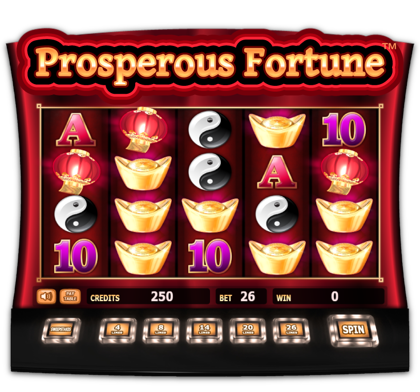
Expanding wilds can change how a slot pays, but their value is easiest to understand when a demo library is organised clearly. On free casino slots pages, Canadian players can usually compare play-money versions without downloading software or creating an account. The practical task is not to chase a promising theme; it is to identify how the wild expands, when it appears and whether the displayed information matches the title being tested. That makes browsing more useful before considering any separate real-money product.
Start by identifying what “expanding wild” means
An expanding wild is a symbol that covers additional reel positions after landing, usually during a spin or a feature round. The exact pattern differs between games. A wild may stretch vertically across one reel, expand across several positions, fill a whole symbol column or remain active for multiple evaluations. Some titles use expanding wilds only in free spins, while others can trigger them during the base game.
Do not assume that every expanding wild substitutes for every regular symbol. The paytable should explain whether the wild replaces ordinary symbols, excludes scatters, or has special restrictions. It should also show whether an expanded wild creates one large combination or several separate winning combinations. These details affect how the feature feels during play and are more useful than the word “wild” in a game title.
Before selecting a demo, look for a visible information button, paytable or help menu. A well-organised browser library should let you move from the catalogue to the rules without confusing virtual credits with cash. If the feature description is missing, abbreviated or difficult to read on a mobile screen, choose another title for comparison rather than filling in the gaps from advertising language.
Use catalogue filters to narrow the right games
Large demo collections become easier to use when filters are applied in a sensible order. Begin with the feature filter, if one is available, and select expanding wilds or a similar label. Then narrow by provider, game format or release period only if the results remain too broad. Theme, soundtrack and visual style can be useful later, but they do not explain how the feature operates.
RTP and volatility filters can add context, provided their labels are explained. RTP is a long-term theoretical figure, not a prediction for a short session, and the same title may be offered with different configurations. Volatility describes the general distribution of wins, not a guarantee that a particular demo session will be quiet or rewarding. Treat both as catalogue information rather than performance promises.
When filters are absent, use the search field and inspect individual paytables. Record a few practical points: where the wild can land, whether it expands immediately, which rounds use it and whether multipliers are attached. This creates a more reliable shortlist than sorting by popularity alone. It also helps distinguish expanding wilds from sticky wilds, walking wilds and symbols that merely substitute without changing size.
Compare the feature across base and bonus play
The most important comparison is when the expanding wild becomes active. In one game, it may appear on ordinary spins and expand once. In another, it may be restricted to free spins, where every expansion remains in place or receives a multiplier. A third design may use expanding wilds as part of a collection meter or a bonus trigger. These are materially different mechanics despite similar wording.
Check the number of reels and the game’s pay system as well. Traditional paylines evaluate set lines, while ways-to-win games calculate matching symbols across adjacent reels. Cluster games use groups of touching symbols and may remove winning symbols before the next cascade. An expanding wild interacts differently with each structure, so comparing the feature without considering the underlying system can create a misleading impression.
Play enough demo rounds to observe the sequence, but do not treat a short session as evidence of the game’s long-term return or typical frequency. Demo credits are only for practice, and a win cannot be withdrawn. The exercise is to learn the rules: how often the feature seems eligible to appear, what animation signals activation and whether the paytable matches what happens on screen.
Check mobile usability before judging the mechanic
Most current browser-based slot demos use HTML5, allowing them to run on modern phones, tablets and computers without Flash or dedicated software. On a smaller screen, however, the feature explanation may be harder to access. Rotate the device if needed, open the help panel and confirm that the reel layout, balance display and spin controls remain readable.

Mobile usability matters particularly when expanding wilds rely on visual changes. A symbol may stretch over a reel, glow during a multiplier phase or remain locked between cascades. If the animation is compressed, interrupted or hidden behind a small control, it becomes harder to understand what occurred. A stable connection also matters because the game loads through the browser and may reset after a refresh.
Use only the controls required for browsing and testing. A pure demo site generally does not need a deposit, payment method or account, while optional features such as favourites and saved history may require registration. For broader online-safety information, readers can consult Canadian responsible gambling information. That resource is separate from any specific game and does not confirm the availability or terms of a casino product.
Separate useful testing from real-money assumptions
A demo can show the interface, paytable and expanding-wild sequence, but it cannot establish that a real-money version has identical settings. The title may exist in more than one RTP configuration, and availability can differ between providers, websites and provinces. A game appearing in free mode is not proof that its real-money version is authorised or offered everywhere in Canada.
Keep the distinction between demo play and promotions clear. Virtual credits have no cash value, and ordinary demo winnings cannot be transferred to a bank card, Interac account, e-wallet or casino balance. Free spins, no-deposit offers and tournaments are separate products that may involve registration, expiry dates, eligible games, wagering conditions or verification.
If you later investigate a real-money operator, read that operator’s stated requirements rather than relying on the demo page. Check the applicable province, age and location conditions, identity checks, game configuration and responsible-gambling tools. An expanding wild can be an interesting mechanic to study, but it should not be treated as an income source or as evidence of likely profit.
Questions about expanding-wild demos
Are expanding wilds the same as sticky wilds?
No. An expanding wild changes size or covers extra reel positions, while a sticky wild remains in place for a defined period, often across several spins. A game can combine both mechanics, so the paytable should explain whether the wild expands, stays locked, gains a multiplier or performs more than one function.
Can a demo prove that a slot has a high RTP?
No. A demo may display an RTP figure supplied for that particular configuration, but a short play session cannot verify it. RTP is a long-term theoretical measure, and another casino version of the same title may use different settings. Use the displayed information as reference, not a guarantee.
Do expanding-wild demo winnings have cash value?
No. Standard free-play slots use virtual credits, and any balance or win shown in the browser is not withdrawable. A demo does not create a casino account or payment claim. Cashable winnings, deposits, withdrawals and verification belong to a separate real-money service with its own stated terms.